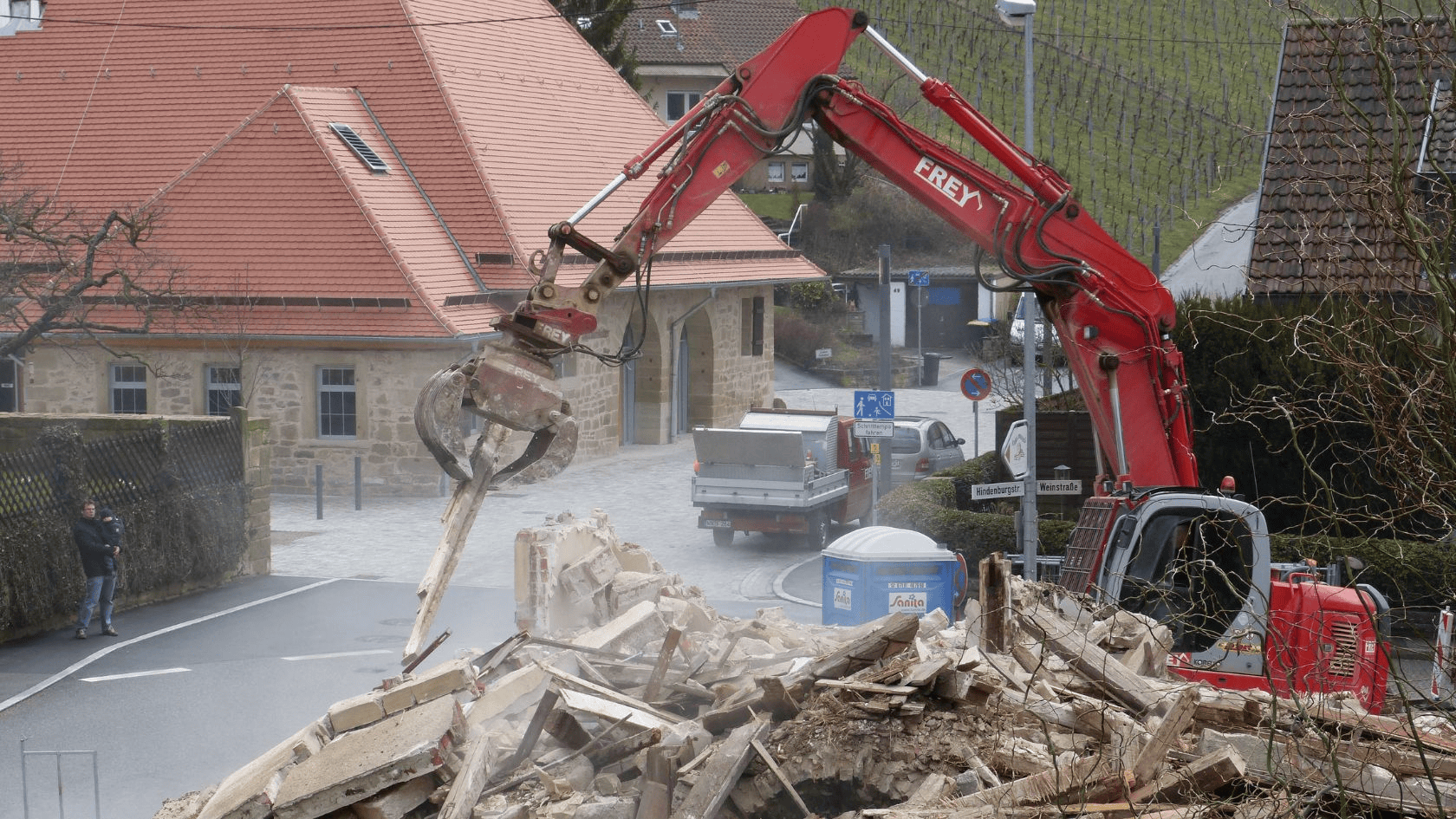
Property owners, alongside building contractors, face significant challenges while dealing with Toronto and the GTA building regulations and codes, especially when obtaining demolition permissions. As Canada’s largest city and a central urban hub, Toronto enforces strict guidelines to ensure public safety, environmental protection, and compliance with development standards. Those planning renovations or new constructions should first learn about demolition permit regulations. Property owners seeking heritage upgrades or complete property demolition must follow proper permit procedures to avoid legal problems while preventing construction delays.
Getting a demolition scope ready for pricing?
Send the drawings you already have, identify the areas to remove and list any finishes or rooms that must remain. See our interior demolition service, call 437-217-5519 or request a project estimate.
This guide simplifies the procedures by explaining the fundamental requirements and documentation while showing how to follow local Toronto building regulations. Your knowledge of demolition permit procedures will protect your budget and legal status regardless of your experience in development or home ownership. This guide explains the essential elements needed to obtain a permit to construct or demolish within the city of Toronto, which guarantees a successful construction project.
Understanding Demolition Permit in Toronto

All Toronto structure demolition needs a detailed understanding of municipal district office permits with their application process and regulatory standards to prevent legal penalties and costly project delays.
Permit Application Process
- Permit Requirement: Required for demolishing residential properties, garages, and commercial buildings over 10 sq. meters (108 square feet).
- Purpose of the Permit: Ensures safety, environmental protection, and compliance with city regulations.
- Application Process: Submit a site plan, zoning bylaws details, and structural report (if needed) to the Toronto Building Division.
- Additional Approvals: Heritage buildings need approval from Heritage Preservation services; tree or vegetation impact may require environmental permits.
- Final Approval & Supervised Demolition: Once approved, a licensed contractor must oversee the demolition.
Effects of Demolition Without a Permit
The Toronto Building Code penalizes unlicensed demolition with severe penalties, stop-work orders, and legal action. Depending on project size and degree of violation, penalties can run tens of thousands of dollars. If the city discovers improper demolition, they can immediately stop the project, causing costly delays and requiring you to seek a permit immediately, sometimes with higher prices and more challenging conditions. Some cities withhold future building licenses, blocking property redevelopment. You may be accountable if the demolition destroys common structures or public infrastructure. Before starting demolition work, obtain permits to comply with Toronto's construction and safety requirements by-law to avoid these risks.
Key Regulations Under the Toronto Building Code
- Safety First: The structure must be checked for hazards like asbestos or unstable walls before demolition.
- Notifying Others: For larger demolitions, neighbours and municipality officials may need to be informed.
- Heritage and Zoning Laws: Special rules apply if the building is in a heritage or restricted zoning area.
- Proper Waste Disposal: Demolished materials must be handled responsibly, especially hazardous ones.
Application For a Demolition Permit in Toronto
Working on demolition projects in Toronto requires applicants to obtain the necessary documentation and, after submitting a permit application to fulfill safety standards, environmental requirements, and zoning laws.
Step-by-Step Guide to the Permit Application
Consider whether a permit is needed before starting a demolition project in Toronto. Most demolitions require a building permit, especially for structures larger than 10 square meters (108 square feet) or those located in heritage districts. Once the project is approved, the next step is to get all the paperwork needed for approval. This includes site plans, proof that the project aligns with the zoning and other required reports.
Once you have all the necessary paperwork, you can send your application to the Toronto Building Division online or in person. Make sure you pay all the building permit fees that are due. In some cases, additional approvals may be needed if the demolition impacts heritage properties, trees, or the environment. Once submitted, the City of Toronto building inspectors will review the application, conduct inspections if necessary, and issue the permit once all requirements are met.
Once the permit issued by the municipal council is approved, you can hire a qualified contractor to start the demolition. This permit man will be in charge of the project and make sure it follows the Occupational Health and Safety Act to ensure it is safe and legal.
Essential Requirements For a Demolition Project
- Structural Inspection: Building construction must be checked for hazards like weak structures or asbestos before demolition.
- Utility Disconnection: Electrical, gas, and water lines must be safely shut off before work begins.
- Environmental & Waste Management Compliance: Materials must be disposed of properly, and dust/noise control measures should be in place.
- Neighbour & Public Safety Measures: Protective barriers may be required if the demolition control area is near other buildings or public spaces.
- Additional Permits (If Needed): Depending on location and project scope, heritage, tree protection, or environmental clearances may be required.
Demolition Process in Toronto
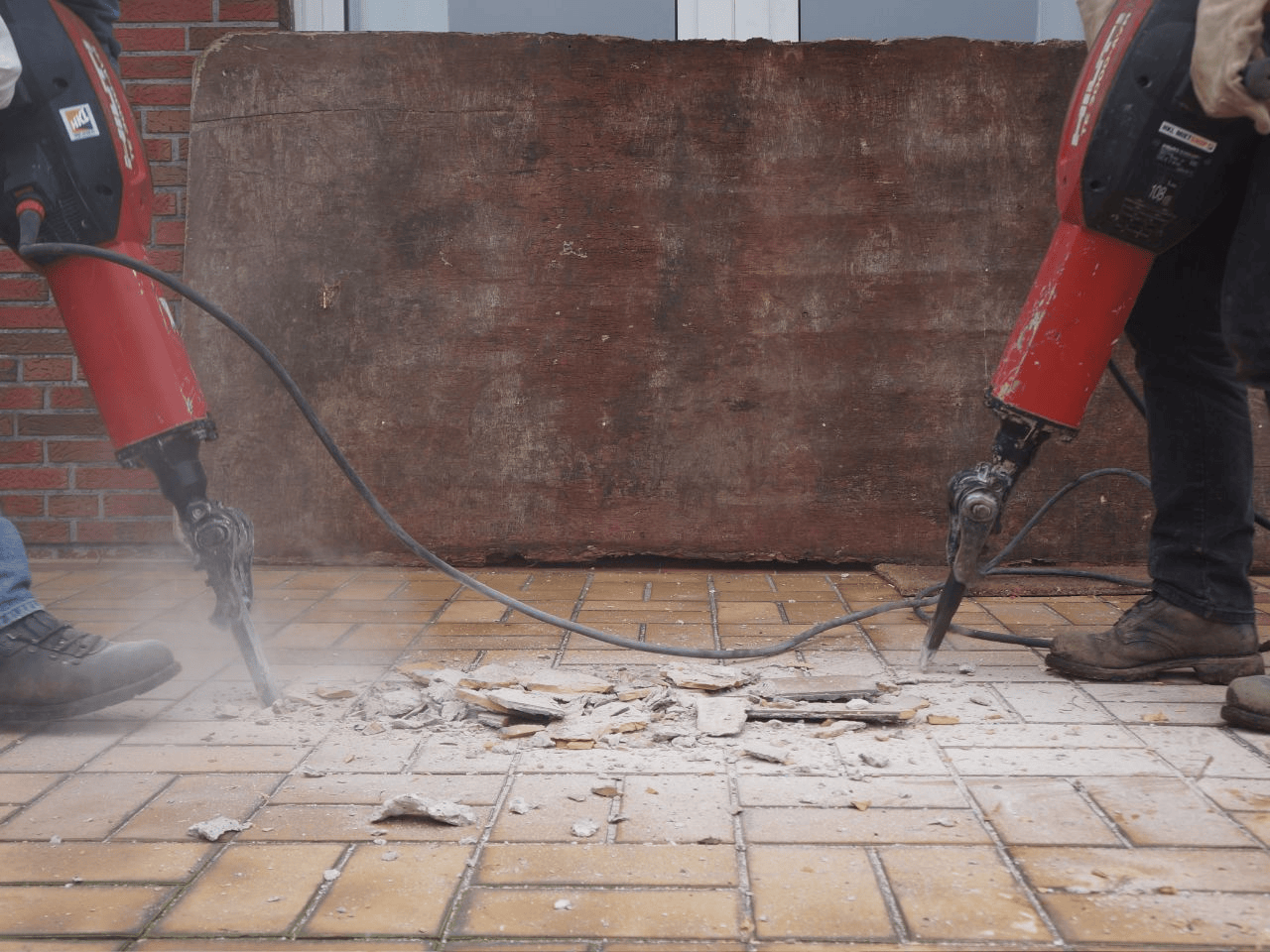
In Toronto, a complete demolition requires obtaining the required building permits, followed by site preparation while adhering to safety protocols and environmental standards and hiring a qualified contractor to handle the process smoothly and legally.
How Long Does it Take to Get a Demolition Permit?
The process of demolishing structures in Toronto demands detailed preparation, official authorization, and compliance with safety protocols and environmental standards. The duration of the permit to demolish issuance depends on how complicated your construction project remains. For standard demolitions, approval typically takes 2 to 4 weeks, but if the building is a heritage property or requires additional zoning or environmental clearances, it can take several months. Delays often occur due to missing documents, so completing an application is essential.
What to Expect During the Demolition Project?
Once the permit is approved, the demolition begins with site preparation, including installing safety barriers and disconnecting utilities like gas, electricity, and water. Before demolition, the building must be safely removed, including dangerous elements like lead paint or asbestos. Interior demolition is done manually for smaller structures or with heavy machinery for larger buildings. Throughout the process, debris is sorted, and recyclable materials like wood and metal are salvaged as environmental regulations require. After removing the structure, the site is cleared and prepared for the next phase, whether new construction or landscaping.
Role of a Demolition Contractor in the Process
- Handles Permit Requirements: Many contractors assist in the application process and ensure a smooth documentation is submitted.
- Ensures Safety Compliance: They follow structural safety rules, secure the site, and manage hazardous material removal.
- Executes the Demolition Efficiently: They complete the demolition using the right equipment and techniques while minimizing risks and delays.
- Manages Waste & Environmental Compliance: They ensure debris is disposed of legally and recyclable materials are salvaged when possible.
- Coordinates with the City: Contractors handle inspections, approvals, and necessary adjustments during demolition.
Special Considerations for Heritage Buildings

A heritage building demolition in Toronto needs strict adherence to the Ontario Heritage Act, Heritage Preservation Services approval, and thorough site development planning to preserve historic value.
Understanding the Ontario Heritage Act and Its Impact
The Ontario Heritage Act protects historically significant buildings as it determines the outcome of demolition procedures of designated heritage properties. Property owners must conduct extensive checks about cultural and historical worth when evaluating whether demolition actions can start. Properties requiring demolition need Heritage Preservation Services approval, and Toronto City Council consent for such projects to proceed under preservation standards. A historic building can lead to demolition denial and mandatory preservation requirements for specific architectural elements. Following the Ontario Heritage Act is vital since illegal demolition could cause expensive project delays and legal fines.
Navigating Regulations for Replacement Buildings
Property owners or developers must adhere to exact zoning rules and heritage guidelines when constructing new buildings on heritage building demolition sites. A new structure on designated properties must incorporate specific architectural features that preserve the unique character of the building that once stood there, helping to maintain the integrity of the surrounding area. The local council demands thorough site plans and design approval examinations for people to get their building permits.
Before obtaining a building permit, the developer needs to perform environmental and structural assessments, which determine the impact of newly built developments on local heritage properties. The approval process demands precise planning while working closely with heritage officials because compliance dependence leads to historical protection and reasonable cost-efficient schedules.
Fees Associated With a Demolition Permit

Toronto requires different fees for demolition permits, depending on project complexity. The fees include base costs, zoning reviews, environmental commands, security payments, and inspections.
Breakdown of The Permit Fee Structure
- Base Permit Fee: A standard application processing fee is required, varying based on the size and type of demolished structure.
- Zoning and Heritage Review Fees: Additional charges apply if the property requires zoning verification or heritage preservation assessments to comply with the Ontario Heritage Act.
- Environmental and Safety Fees: If demolition disrupts trees, vegetation, and hazardous materials, additional fees apply for environmental impact reports and hazardous waste disposal compliance.
- Security Deposits: Certain projects mandate security deposits protecting physical structures and facilities adjacent to the construction site. Property owners can obtain a refund of this deposit provided they do not cause any damage.
- Inspection Fees: The city may charge for mandatory site inspections before, during, and after demolition to confirm safety and building standards are met.
- Additional Fees for Large or Complex Projects: For large-scale demolitions, extra costs may apply for engineering assessments, traffic control planning, or extended permit reviews.
Additional Costs Related to The Building Permit Submission
In addition to the standard demolition permit fees, property owners may face additional costs when submitting a building permit application. Extra fees may apply for heritage impact assessments and preservation approvals if the site is in a heritage-designated area. Projects affecting trees or green spaces may require environmental permits and tree protection fees to comply with city regulations.
In cases where demolition involves hazardous materials such as asbestos, additional costs for specialized inspections and disposal compliance may be necessary. Developers may also need to pay for zoning reviews, engineering reports, and structural assessments to confirm that new construction aligns with city planning regulations. These costs can vary depending on project complexity, so budgeting for potential permit amendments, additional inspections, and safety compliance measures is essential to avoid unexpected expenses.
Frequently Asked Questions
When do I need to apply for a demolition permit?
You’ll need a demolition permit when planning to demolish a Toronto building. This applies to both residential and commercial structures. Certain cases, such as interior demolition, may also require a permit.
Are there fees associated with a residential demolition permit?
Indeed, requesting a Toronto home demolition permit comes with fees. The cost will depend on the size and nature of the building being destroyed.
Can I demolish a deck without a permit?
In most cases, you may need a permit to demolish a deck, especially if it is attached to a structure or exceeds a specific size. It’s essential to check with the building department to determine if a permit is required.
What should I do if my application for a demolition permit is denied?
If your demolition permit application is denied, you can contact us for assistance. We can help you change your application or appeal the outcome and understand the causes of the rejection.
Is it necessary to hire a demolition company for the process?
Hiring a demolition company is not compulsory but highly advised. When working with an expert demolition service, they will execute safe demolitions while following building standards to facilitate a streamlined project.